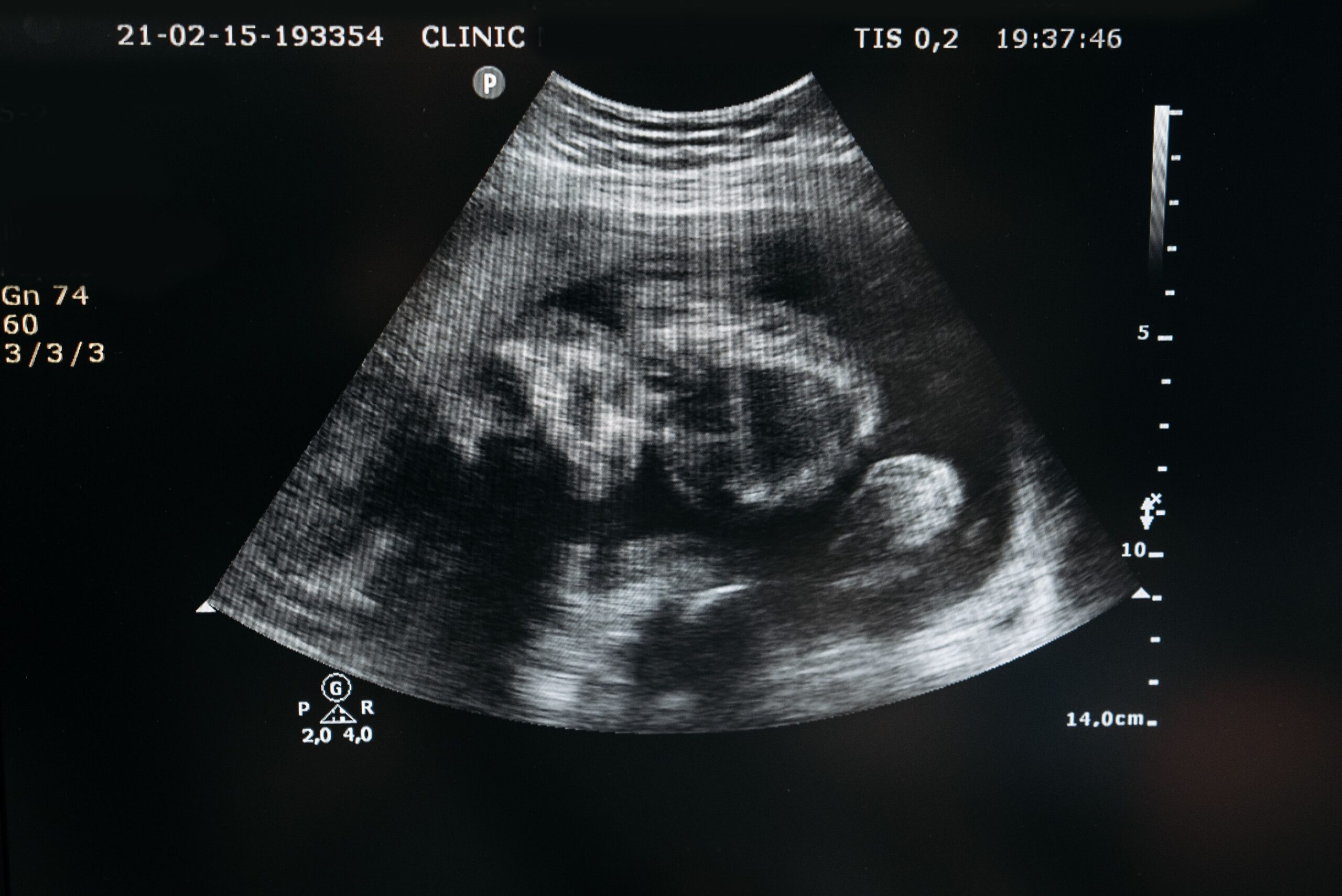
In early August, an Alaska woman named McKenna West was serving as a gestational surrogate for a Los Angeles couple when a prenatal diagnosis revealed the fetus had hypoplastic left heart syndrome, a serious but treatable congenital heart defect. According to West’s own account, the intended parents asked her to terminate the pregnancy. She refused and traveled to Texas, where abortion is illegal, to give birth.
Texas Attorney General Ken Paxton then intervened directly, securing a court order compelling stabilizing and life-sustaining care for the newborn, whom West calls Baby Gabriel, over the intended parents’ objection. The baby underwent surgery in August, and Paxton’s office withdrew from the case once treatment was secured.
Texas law does not consistently recognize fetal personhood. It restricts abortion almost entirely yet stops short of granting a fetus independent legal standing in other contexts, such as inheritance or tort claims. That ambiguity is not an oversight. It is the compromise that lets the state regulate pregnancy without fully committing to the legal consequences of calling a fetus a person.
Paxton’s intervention and interpretation came on exactly where it was needed to win, and nowhere else. To override two parents’ medical decisions and compel a specific surgical outcome, the state needed the child to already function as a rights-bearing individual with interests independent of his parents’ wishes.
This matters because the same legal architecture offered no comparable protection to the person who actually made this outcome possible. West carried this pregnancy, refused a request to terminate it, and left Alaska to secure care for a child who was not genetically hers.
Under the American Society for Reproductive Medicine’s 2023 ethics committee opinion, gestational carriers are the sole source of consent for their own medical care from embryo transfer through delivery and aftercare, specifically because complications can create situations where fetal or neonatal wellbeing might otherwise be weighed against the carrier’s own health. Her autonomy, in other words, is the one interest this case should have made legally uncomplicated.
This is nothing but selective personhood: not hypocrisy in the simple sense, since nobody in this case lied about what they believed, but a legal reflex where fetal personhood gets invoked exactly when it produces the desired outcome and recedes when invoking it consistently would mean granting pregnant women broader protection than the state is willing to extend. Bioethics has spent decades building frameworks for maternal-fetal conflict, weighing a pregnant woman’s autonomy against a fetus’s interests when the two disagree. None of that literature anticipated a third actor, a state official, asserting fetal personhood only when the pregnant woman’s wishes and the fetus’s interests happened to align, and staying silent every other time.
That alignment itself is worth pausing on, rather than treating it as simply fortunate. It is not a coincidence that this became the case Texas chose to fight for. CNN reporting found that West was connected to Alliance Defending Freedom, a conservative Christian legal organization now representing her, through Live Action, an anti-abortion nonprofit that paid for her travel from Alaska to Texas.
ABC13 Houston reported that the case has drawn in Texas Alliance for Life and Texas Right to Life as well, since it touches three priorities those groups already share: opposing abortion, defending parental rights, and restricting commercial surrogacy. A law professor quoted by CNN noted the case also dovetails with a broader anti-surrogacy push among conservatives. None of this required West to be doing anything but telling her own story, but it explains why the state’s selective personhood claim found a case where its logic and a sympathetic set of facts happened to line up perfectly, and why that alignment should not be mistaken for evidence that the underlying legal reasoning is any more consistent than it was before.
If bioethics actually wants and aims to close this loophole rather than just name it, the fix has to be structural. A state that invokes fetal personhood to justify overriding one decision should be bound to apply that same personhood status consistently wherever else it carries legal weight, in inheritance claims, in tort law, in every context where personhood already does real work, or explain specifically why it doesn’t. A consistency requirement like this would not settle the underlying disagreement over what constitutes a fetus. It would simply stop states from having it both ways, restricting a pregnant woman’s choices on the premise of personhood while denying that same fetus personhood everywhere else it would be inconvenient to grant it.
Until that requirement exists, every state that intervenes this selectively will keep calling it protection. The next carrier who finds herself standing where McKenna West stood deserves a bioethics literature that saw this coming, not one still catching up to it after the surgery is already over.
Yodhin Aggarwal, MHA